
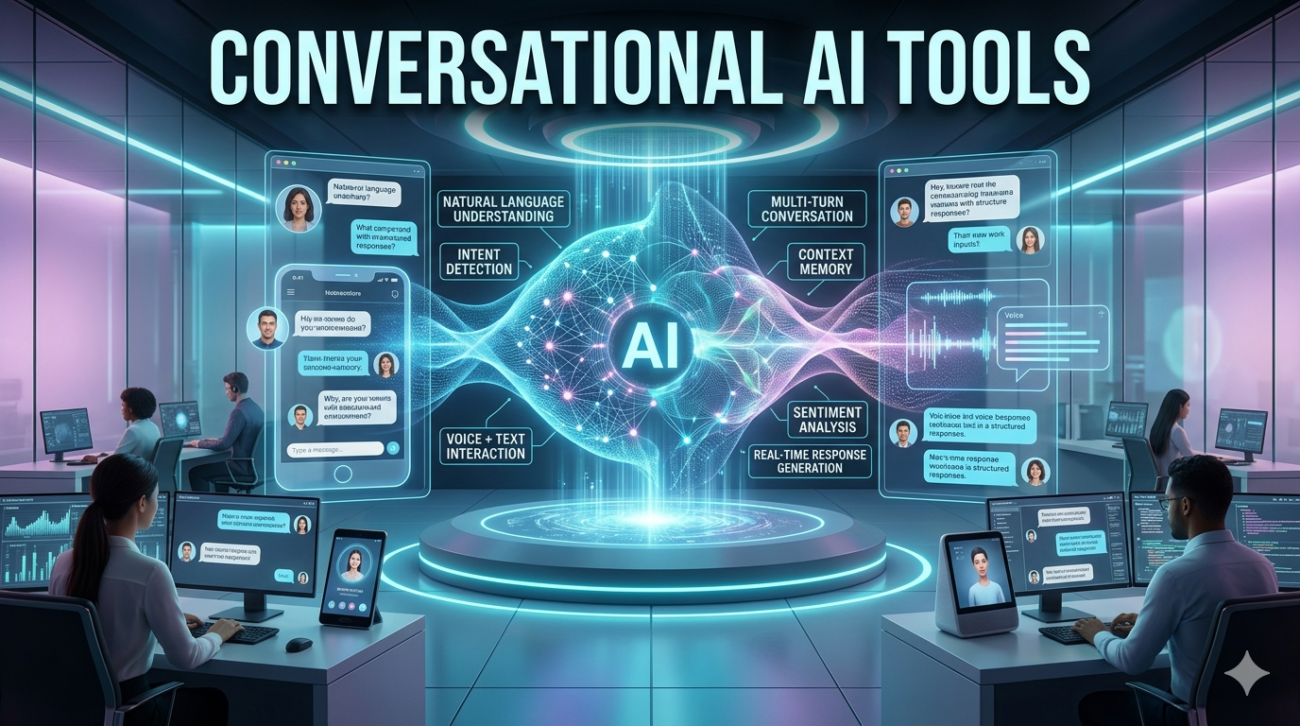
I still remember the first time I asked my phone for directions and it actually understood me not just the words, but the intent. “Hey, where’s the nearest coffee shop that’s open right now?” And boom map loaded, hours checked, reviews pulled. No typing. No menus. Just… conversation.
That was years ago. Today? Conversational AI tools are everywhere from customer service bots that don’t make you want to throw your laptop out the window, to voice assistants that can book your dentist appointment while you’re elbow-deep in dishwater. But behind the scenes, these tools have evolved far beyond simple command-response systems. They’re learning, adapting, even anticipating. And whether you realize it or not, they’re quietly reshaping how we interact with technology and each other.
What Exactly Are Conversational AI Tools?
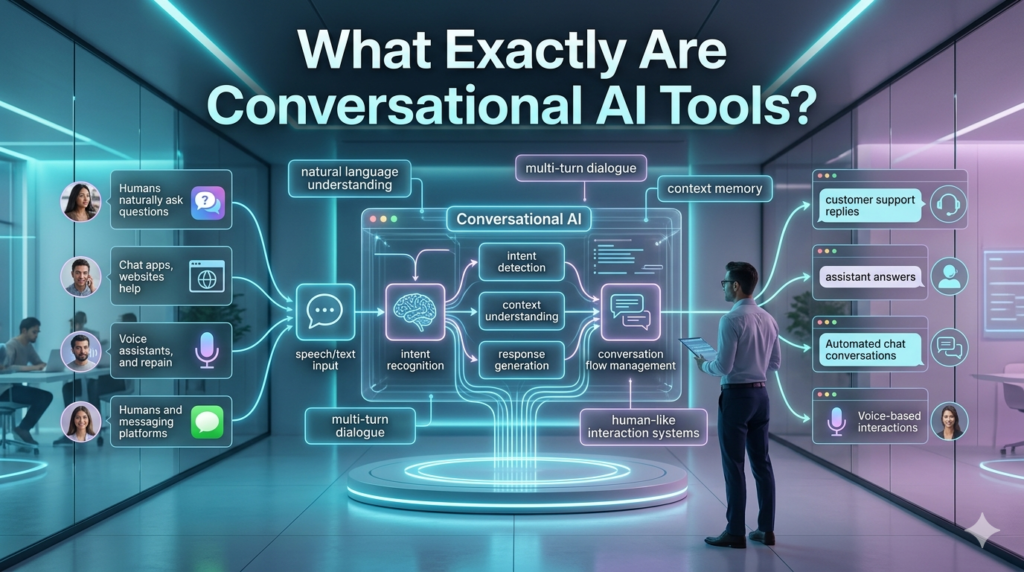
At their core, conversational AI tools are software systems designed to understand, process, and respond to human language in a natural, contextual way. Think chatbots, voice assistants, virtual agents anything that lets you “talk” to a machine like you would to a person. But here’s the kicker: it’s not magic.
It’s a cocktail of technologies natural language processing (NLP), machine learning (ML), speech recognition, and often deep learning models trained on mountains of real human conversations. The goal? To reduce friction. To make tech feel less like tech and more like a helpful colleague who’s always on call.
Where You’re Already Using Them (Probably Without Noticing)
Let’s get practical. You’ve definitely bumped into conversational AI without labeling it as such.
- Customer Support: Ever chatted with “Sarah from Support” only to realize halfway through she’s not Sarah at all? That’s conversational AI handling tier-1 queries password resets, order tracking, return policies. Companies like Zendesk, Intercom, and Drift have baked these bots into their platforms, saving millions in labor costs while improving response times.
- Voice Assistants: Siri, Alexa, Google Assistant they’re the poster children. But what’s changed recently is context. Ask Alexa, “What’s the weather?” then follow up with “What about tomorrow?” she knows you’re still talking weather. That context retention? Huge leap forward.
- Healthcare Triage: Tools like Ada Health or Buoy use conversational AI to ask symptom-based questions and suggest possible conditions or next steps. My sister used one last winter when her kid spiked a fever at 2 AM it talked her through red flags and whether to head to urgent care. Lifesaver.
- Internal Business Tools: HR bots that answer “How do I request PTO?” or IT bots that walk employees through VPN setup. Slack and Microsoft Teams integrations are making these ubiquitous in mid-to-large companies.
Why They’re Getting Scary Good (And Sometimes Creepy)
The real breakthrough? Large language models (LLMs) like GPT-4, Claude, and Llama have supercharged conversational AI. These aren’t rule-based scripts anymore they generate responses dynamically, pulling from vast knowledge bases and adjusting tone based on user cues. I tested this recently by asking a banking chatbot, “I’m stressed about my credit card bill what should I do?” Instead of spitting out a link to FAQs, it responded with empathy: “That’s totally understandable.
Let’s look at your options together payment plans, due date extensions, or budgeting tips. Which sounds most helpful?” Whoa. But let’s be real they’re not perfect. I’ve had bots confidently give me wrong store hours, mispronounce my name three times in a row, or recommend a romantic getaway when I asked for budget hotels near JFK. Accuracy still wobbles, especially around edge cases or niche topics.
The Human Behind the Curtain
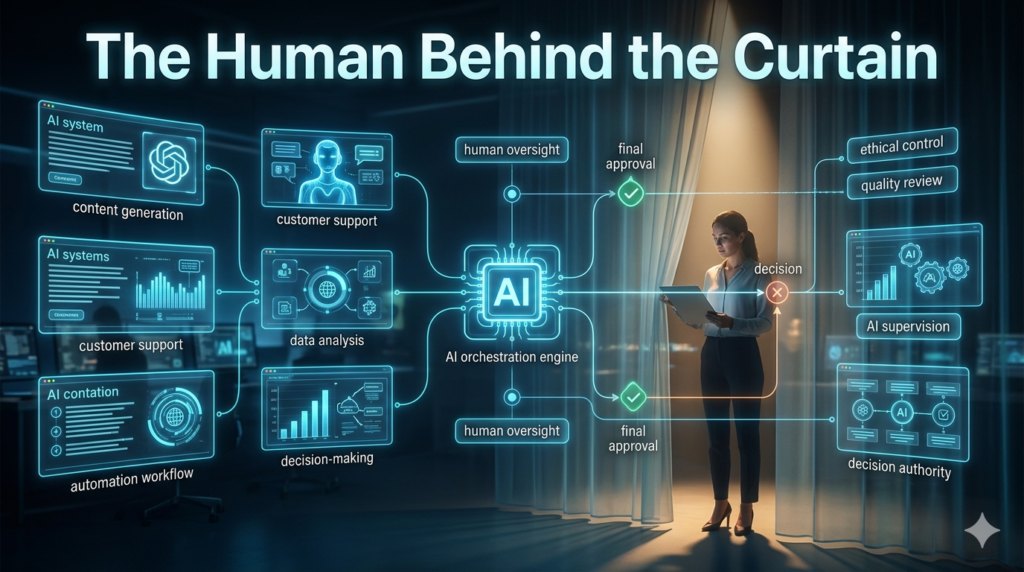
Here’s something most marketing brochures won’t tell you: conversational AI tools still need humans. A lot of them. Training data? Curated by linguists and domain experts. Tone and personality? Crafted by copywriters. Escalation paths? Designed by customer experience teams. Bias detection? Handled (or should be) by ethicists and diverse QA testers. One fintech startup I consulted for last year built a slick investment advice bot. Technically flawless until users started getting aggressive stock tips because the training data over-indexed on Reddit threads from 2021.
Took three months of human-led retraining to smooth that out. Ethics matter here. Who’s accountable when a medical triage bot misses a critical symptom? When a hiring bot filters out qualified candidates because of biased language patterns? These aren’t hypotheticals they’ve happened. Transparency and oversight aren’t optional; they’re survival skills.
Choosing the Right Tool? Here’s What Actually Matters
If you’re thinking of implementing one whether for your business or personal workflow don’t get dazzled by demos. Ask these questions:
- Does it learn from interactions? Static bots die fast. Look for tools that improve over time via feedback loops.
- Can it hand off to humans seamlessly? No bot should trap users in a loop. Escalation must be smooth.
- What’s the fallback when it doesn’t understand? “Sorry, I didn’t get that” repeated five times is brand damage waiting to happen.
- How’s the data privacy? Especially if you’re in healthcare, finance, or education compliance isn’t negotiable.
Tools I’ve seen work well in the wild: Ada for customer support, Kore.ai for enterprise workflows, Voiceflow for designing voice/chat experiences without coding, and obviously, OpenAI’s API for custom builds if you’ve got dev resources.
The Future? Less Talking, More Doing
Where this is headed fascinates me. We’re moving from conversational AI to collaborative AI. Imagine telling your assistant: “Plan a weeklong trip to Portugal for me and my partner we love wine, hiking, and quiet towns. Budget is $3k. Book everything.” And it does flights, Airbnb, rental car, even dinner reservations at that vineyard you bookmarked six months ago. Some early versions of this exist.
Google’s experimental “Volo” project and axis’s rumored agent system hint at this future. But we’re not quite there. Current tools still need guardrails, confirmation steps, human checks. Still the trajectory is clear. Conversational AI won’t replace humans. It’ll amplify us. Handle the repetitive, the predictable, the mundane so we can focus on creativity, empathy, strategy.
Final Thought: Keep the Humanity in the Loop
As much as I geek out over the tech, I worry sometimes. When every interaction becomes transactional, optimized, automated do we lose something? The awkward pauses. The miscommunications that lead to laughter. The human error that reminds us we’re dealing with people, not processors. The best conversational AI tools don’t try to mimic humans perfectly.
They enhance human connection. They buy us time. They reduce frustration. They remember things we forget. Use them wisely. Train them thoughtfully. And never stop asking: “Is this making life better or just faster?”
FAQs
Q: Are conversational AI tools safe for sensitive data?
A: Depends on the vendor. Always check encryption, compliance (GDPR, HIPAA), and where data is stored. Enterprise-grade tools usually offer stricter controls.
Q: Can small businesses afford these tools?
A: Absolutely. Many platforms like Many Chat or Tidied offer free tiers or affordable monthly plans under $50.
Q: Do I need technical skills to set one up?
A: Not necessarily. Tools like Landor or Chat fuel use drag-and-drop builders. Coding helps for customization, but isn’t required to start.
Q: How accurate are voice-based conversational AIs?
A: Accuracy has improved dramatically 90%+ in ideal conditions. Background noise, accents, or complex sentences can still trip them up.
Q: Will conversational AI take jobs away?
A: It’ll change roles, not eliminate them. Repetitive tasks get automated; humans shift to oversight, complex problem-solving, and relationship-building.
